


The Help We Wish We'd Had: The People Behind a Different Kind of Workday Consulting Partner

From Customer to Consultant
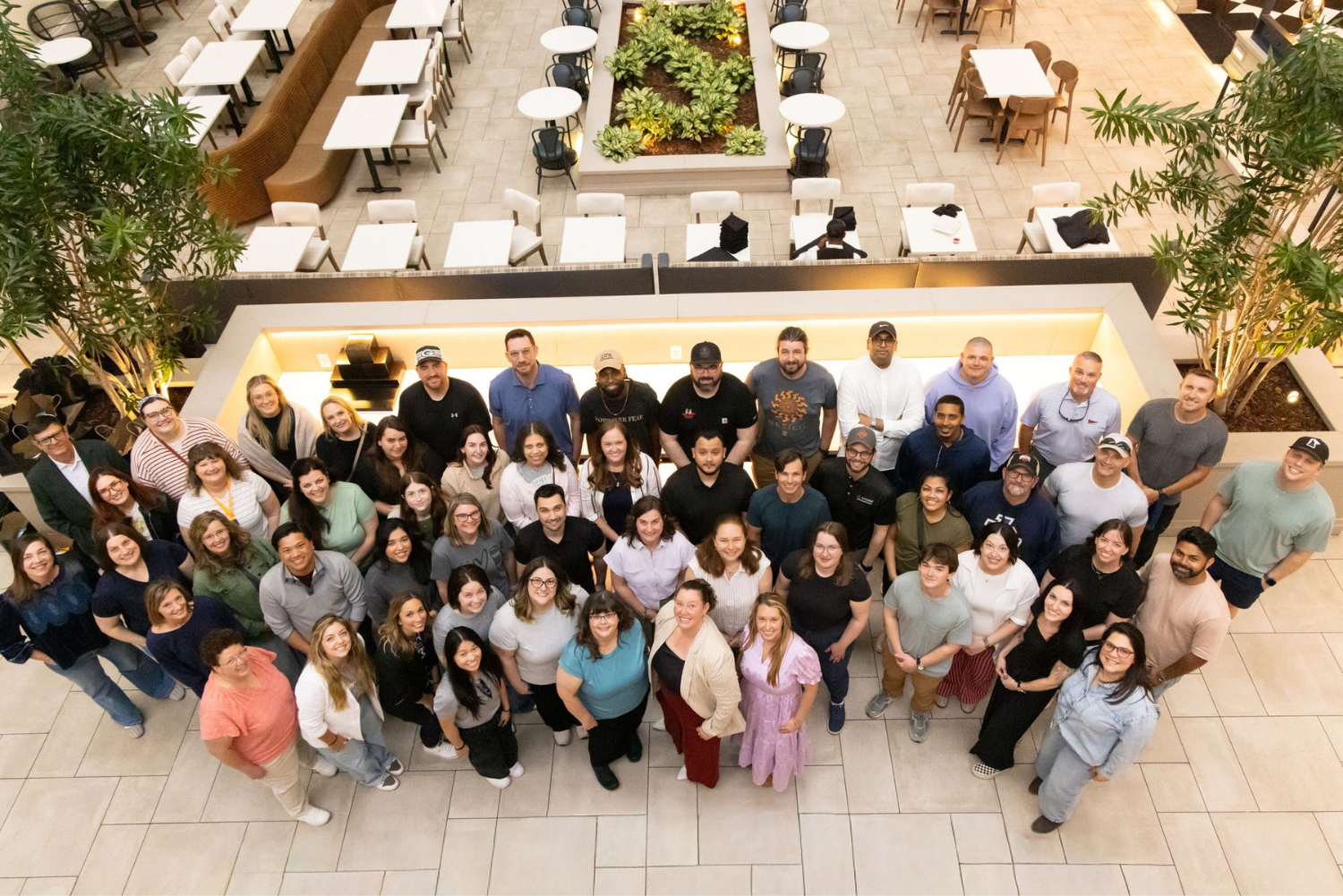
Many of our people came to Syssero from the customer side of Workday. They were HRIS analysts, payroll leads, benefits administrators, and the accidental system owners who became the go-to Workday person because someone had to. They’ve lived through implementations, inherited tenants they didn’t build, and kept the lights on through release after release.
Before they ever configured a business process for a client, they were the ones at their own desk late at night, staring at a condition rule that refused to behave, wondering why nobody had warned them about this part. That history shapes everything about how we work as a Workday consulting partner. We are the help we wish we’d had.
This post is about our people: who they are, why they do this work, and why that matters to the organizations we support. And if you see yourself somewhere in here, it’s also an invitation.
One of our team members put it this way in a recent interview: “It’s the kind of help that we wish we had. Logically, I understand Workday and this should work. And it takes a lot of time to walk through all of that process and testing and documentation to get to the end of it and go, well, that didn’t work. And I can save you from that.”
When you describe a problem to us, there’s a good chance someone on our team has been in that exact spot. That kind of recognition can’t be taught in a certification course.
That path from customer to consultant isn’t a fun fact about us. It’s one of our core differentiators. Our team has struggled through confusing configuration, undocumented processes, and long nights of trial and error. So you don’t have to.
Best Practice Is the Starting Point. In Practice Is the Goal.
Every Workday consulting partner will tell you they follow best practice. And they should. But best practice on paper and best practice in practice are two different things, and the gap between them is where a lot of organizations get stuck.
As that same team member explained, we aren’t following a prompt or focusing only on what might be labeled best practice, because we’ve supported the system in the real world. “Things look great on paper,” she said. “But then when you actually have to live with it, it’s not always the same answer.”
Configuration that checks every box in a design document can still fall apart on a Tuesday morning when a manager can’t figure out how to approve a job change from their phone. Too often across the industry, partners build to spec, hand off the tenant, and walk away before anyone finds out how the design holds up in real life.
We think about it differently because we’ve been the ones left holding the tenant. You’re the one who has to live with our solve long after the project ends. So we want it to be the best solve in practice: configuration that follows sound design principles and also fits the way your people actually work. That means asking more questions up front, testing against real scenarios, and being honest when something that looks elegant will create headaches later.
HRIS Systems Are About Humans, Too
Workday is a system of record for people. Behind every business process is a recruiter trying to move a candidate forward, a payroll specialist racing a deadline, a manager approving time off between meetings, or an employee who just wants to find their pay slip without opening a ticket.
We aim to serve the people using the system along with the system itself. That changes the questions we ask. Instead of only asking what the process should be, we ask who touches it, when, from what device, and what happens when they get stuck. The answers shape configuration that people can actually use, which is the whole point.
Here’s the honest version: if your partner isn’t taking the time to understand your business and your daily life, is the relationship even working?
Relationships Over Transactions
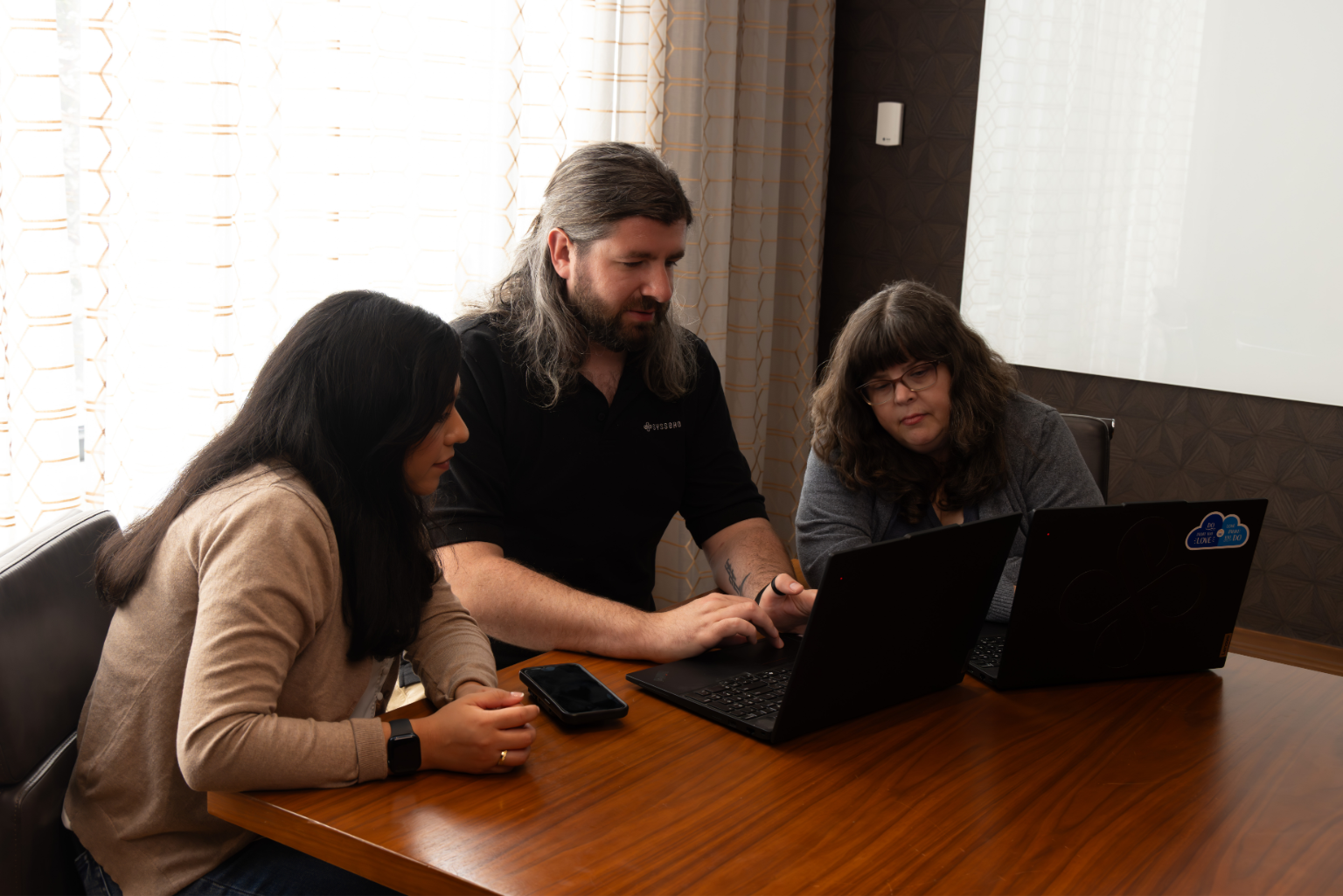
The way we work is built on relationships, not tickets. Our clients know the people supporting them by name, and those people know the client’s tenant, their priorities, and their history. We pick up the phone. We tell the truth, even when it isn’t what someone wants to hear. And we stick around after go-live, whether that’s through ongoing advisory support or managing the day-to-day as the tenant evolves.
Being genuine and authentic isn’t a soft skill we put on a slide. It’s how trust gets built, and it’s what gives our advice weight. In the words of our team member: “Because we are so relationship-focused, it puts us in a very unique position to gain people’s trust very quickly. So, when I say: "Oh, you don’t want to do that and here's why...." the client listens to me because I’ve been there.”
Pair trust with a team deeply driven by results, and everyone pulls in the same direction: toward a tenant that works better every quarter.
Thinking About Making the Jump?
If you’re the Workday admin everyone turns to, the person who taught yourself the tenant one business process at a time, or the analyst who keeps thinking there has to be a better way, we’d love to hear from you. Some of our best consultants were exactly where you are now.
Here’s what welook for:
Lived experience. You’ve worked inside Workday or another HRIS and know what the day-to-day really feels like.
Curiosity. You want to understand why something works the way it does, not just make it work.
Empathy. You remember what it was like to be the customer, and you want to be the help you wished you’d had.
A drive for results. You care about whether the solution actually holds up for the people using it.
If that sounds like you, explore our open roles HERE or reach out to start a conversation.

The Bottom Line
Choosing a Workday consulting partner is really choosing the people who will shape how your organization works every day. We think those people should understand your business, respect your daily reality, and know from experience what it takes to make Workday work in practice. That’s who we are, and it’s who we keep hiring.